What is Industrial Bearings?
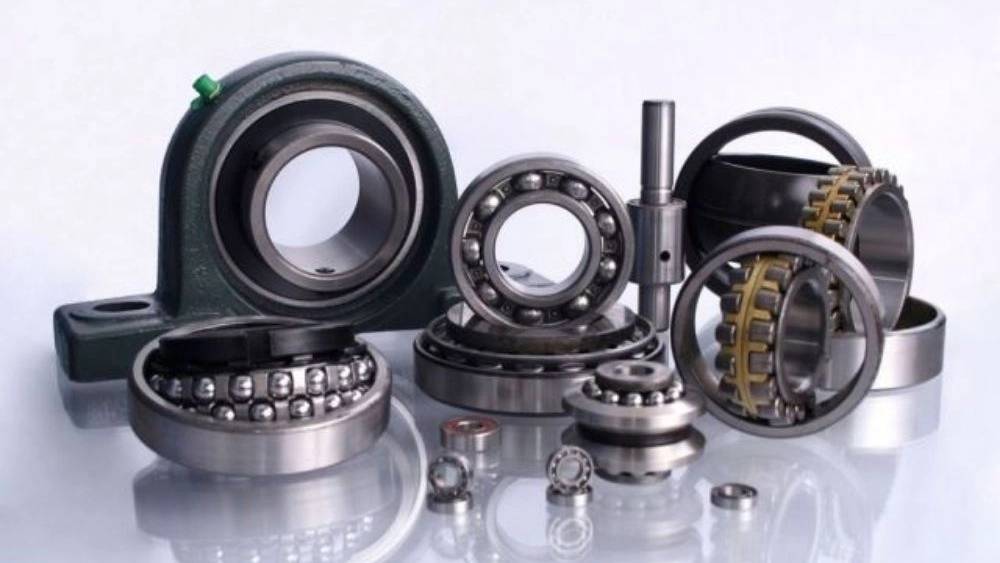
Bearings are mechanical assemblies that consist of rolling components and usually internal and external rolling paths that are used for rotary or linear applications and different types of bearings include rolling and rolling bearings, linear bearings and also versions There are installed that may use rolling element bearings or plain bearings. Bearings have spherical rolling elements and are used for lower load applications. , while roller bearings use cylindrical rolling elements to carry heavier loads. Industrial linear bearings are used for linear motion along shafts and may also be capable of rotation. Installed bearings are assemblies in which the bearings are pre-installed in assemblies which in turn are attached to the frame, bolts, etc., to support the ends of the shafts, carrier rollers, etc., in addition to the balls and rollers. are used In addition to roller bearings and bearings in radial, linear and mounted form, industrial bearings include those also called for civil engineering applications. Items that are used in small instruments and the like and are known as jewelry bearings.
Types of bearing
Bearings
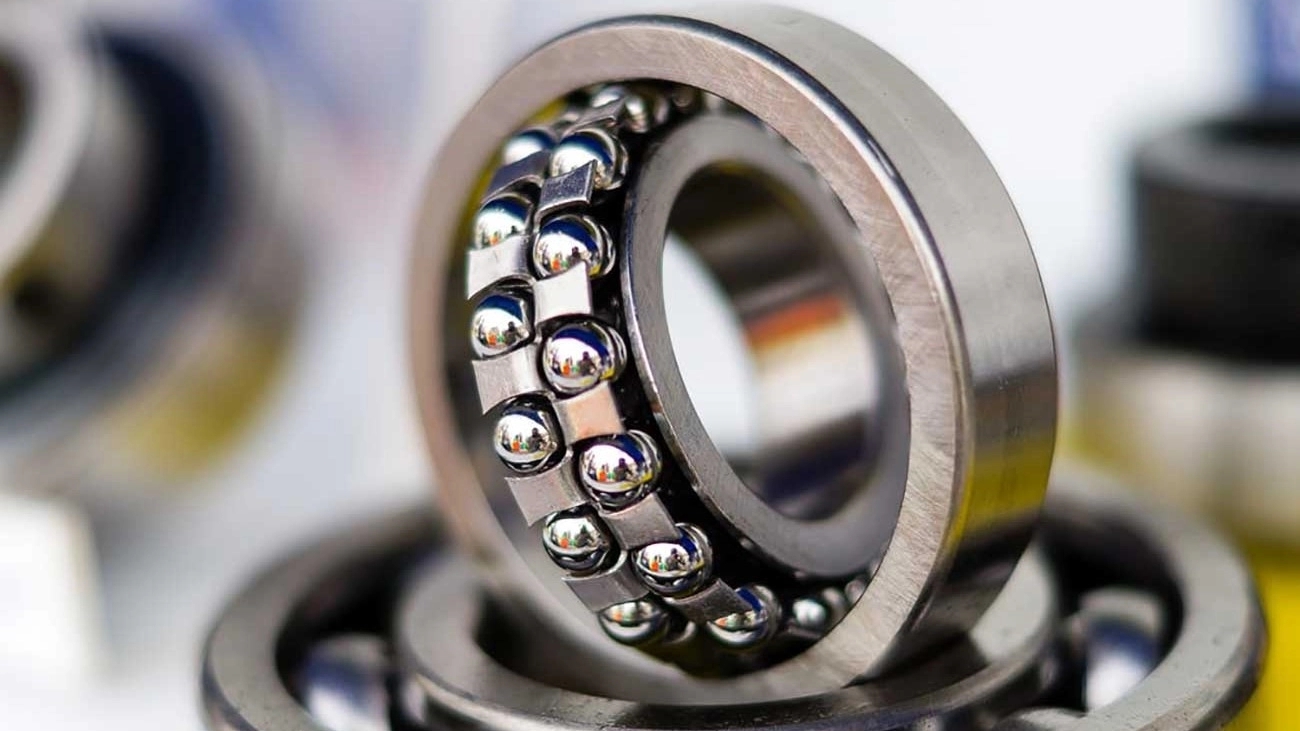
Bearings are mechanical assemblies that consist of spherical rolling elements that are caught between inner and outer circular rolling paths. They provide a means of supporting rotating shafts and minimizing friction between the shafts and stationary machine members. Bearings are mainly used in machines that have shafts that need support for low-friction rotation. There are several configurations, the most important of which are metal shielded or sealed. The bearings are standardized so that they can be replaced. Bearings are also known as rolling components of bearings or anti-friction bearings. Considerations include the following:
First choice for high speed applications or high precision applications
A wide range of standardized forms
Control radial and axial loads with special settings
Rollering
Rolling bearings are mechanical assemblies that consist of cylindrical or conical rolling components that are usually placed between the inner and outer rolling paths. They provide a means of supporting rotating shafts and minimizing friction between the shafts and stationary machine members. Roller bearings are mainly used in machines with rotating axes that need to bear heavier loads than bearings. Tapered roller bearings are often used to handle higher thrust loads in addition to radial loads. Their types are from cylindrical to spherical roller bearings. Industrial roller bearings are standardized like bearings, although to a lesser degree! Considerations include the following:
Higher load capacity than bearings
Capable of bearing high axial loads
Industrial bearings installed
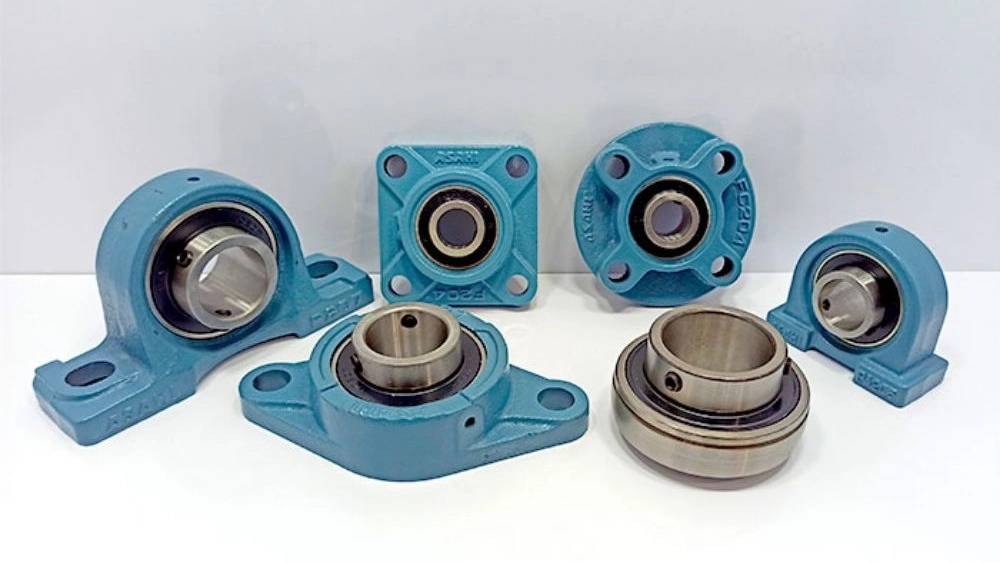
Mounted bearings are mechanical assemblies that consist of ball bearings with bolts and nuts or mounted components with threads, and include gearboxes, flanged units, etc. They provide means to support rotating shafts and minimize friction between shafts and fixed machine parts. Mounted bearings are mainly used in machines with rotating shafts. They are used as pick-up devices at the ends of conveyors and as flange units along intermediate points. Mounted bearings are designed for bolt-on mounting and ease of replacement. Other types of bearings installed include rod end bearings and cam followers. The considerations of this industrial machine bearing include the following:
Seat units reduce installation concerns and safety issues
Easy cartridge replacement design
Shafts are usually held in place with set screws
Ability to configure supported components
It is mainly used for applications with low to medium speed
Linear bearing
Industrial linear bearings are mechanical assemblies consisting of ball and roller rolling components that are held in housings and used to create linear motion along shafts. Linear bearings are mainly used in machines that require linear movement and positioning along shafts. They may also have secondary rotational features depending on the design. The details of these bearings are as follows:
Less friction and more accuracy compared to bushings
More expensive and more complicated than bushing
What is the slide bearings?
Slide bearings are mechanical assemblies designed to provide free movement in one dimension between structural elements. Slide bearings are mainly used in the structural support of bridges as well as commercial and industrial buildings. These parts allow the rotation of the end beam with thermal movement and isolate the components of the structure against vibration, noise and impact. Other types of industrial slide bearings include those used in welder base plates, heat exchangers, and processing equipment.
Frictionless bearings
Frictionless bearings are mechanical or electromechanical alternatives to conventional bearings that provide controllable shaft support through air, magnetic fields, etc. for critical and high precision applications.